
Interview with a Key Worker
Written by Catriona Mahmoud
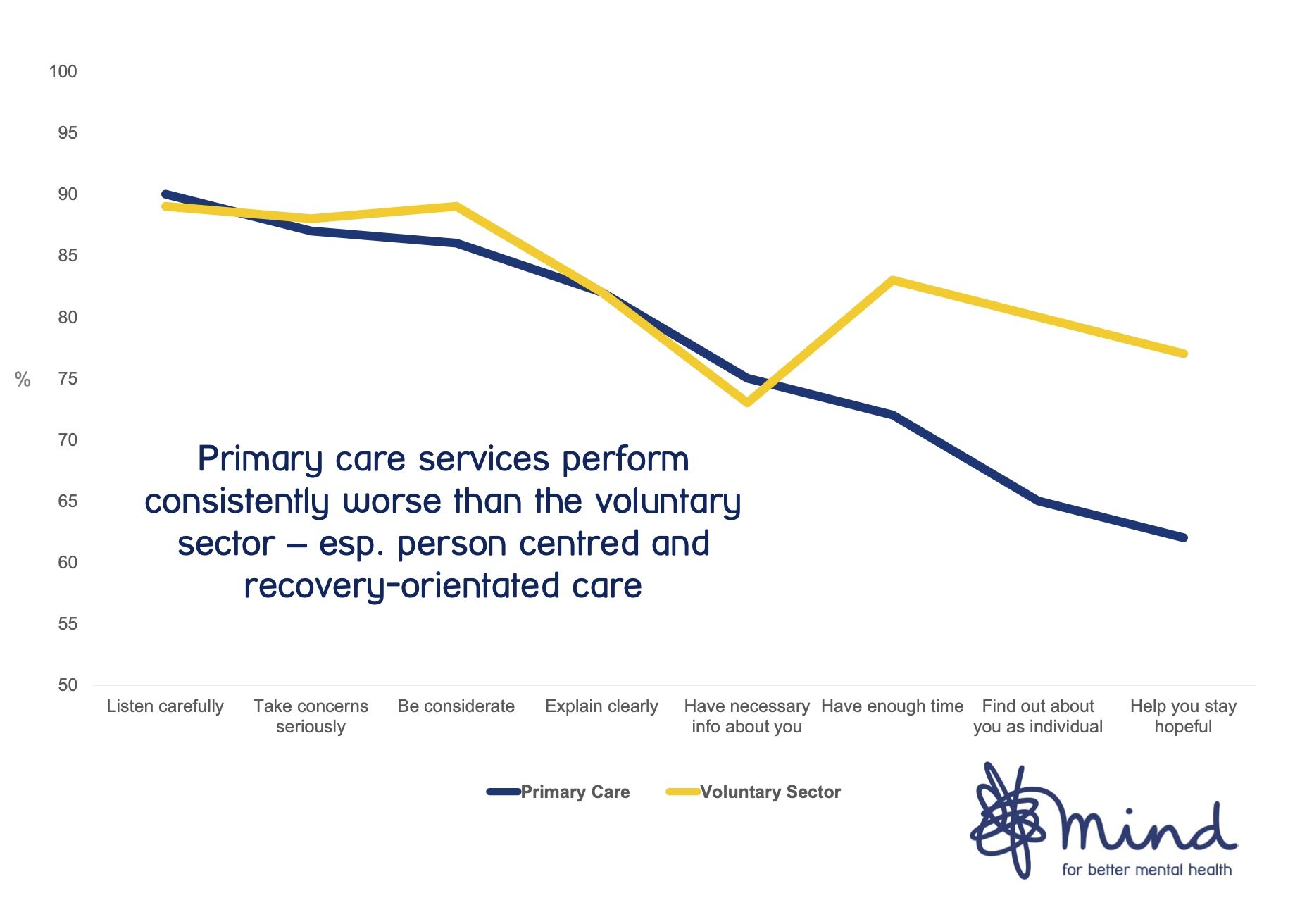
Wellbeing and mental health has led the conversation since the UK’s lockdown, with an emphasis on keeping connected with friends and family, as well as finding ways to creatively keep boredom at bay. Despite this, the government’s daily updates have rarely mentioned mental health, and when they do it’s grouped together under one heading and direction. Mental health, however, is a complex spectrum, with different services and help needed for different situations. This approach by the government is unfortunately unsurprising though, with their concentration of funds rarely making it to where the NHS needs it to go, in terms of treatment and recovery. A recent study from Mind found that primary care services consistently performed worse than the voluntary mental health sector, and that care experience was significantly better overall if seeking help from voluntary services over primary care.
We were lucky enough to speak to Corinna Taylor, a volunteer with Samaritans, a charity that aims to provide support to anyone in emotional distress, struggling to cope, or at risk of suicide in the UK and Ireland. “My role is to respond to callers with empathetic and non-judgemental listening to give them a space to be able to talk about what they’re going through“. Samaritan volunteers, like Corinna, were assigned as key workers when lockdown began over a month ago, with many still attending their shifts, and the charity encouraging vulnerable volunteers to stay at home. The charity’s response to the pandemic so far has been proactive and commendable, with social distancing and disinfecting rules in place at their call centres to ensure the safety of their volunteers.
Corinna has been volunteering with Samaritans for 12 months, after a 68 hour training process that took 12 weeks to complete, following a notoriously selective interview stage that sees only a few of their applicants successfully join. Since lockdown has commenced, Samaritans have not broadly reported on the number of calls they’ve received, however there are surprisingly some regional branches seeing numbers either stay the same, or even dropping. Corinna says that, while she can only speculate, she believes it has to do with the amount of support that has increased in communities in regards to mental health. With hundreds of Facebook Mutual Aid groups appearing, communities are being more responsive to the needs of their friends and neighbours in an unprecedented wave of support.
There is definitely a more sympathetic approach to mental health sweeping the globe right now, with fears of loneliness at a high, isolation is something we can all relate to, and Samaritans have been responding as well as they can to this in particular. Another reason for a lack of calls could be their introduction of an instant messaging service. While not available to everyone (it seems like they randomly select people who access their dedicated webpage), Corinna says that digitising helps to make access easier for everyone. Not everyone wants to talk on the phone, and many don’t feel comfortable if they’ve chosen to go home and isolate with their families. While she’s not able to disclose any information about calls - part of using the Samaritans service is the trust they give you in assuring your conversation with them is private - Corinna has personally noticed calls from people who are feeling lonely and in particular struggling with their family. Staying with family can already be a trialling experience, but when you’re all under the immense stress of a global pandemic and sensationalised information about resources it can be more difficult than usual to be civil at home.
Emotions are running very high right now, and while calls seem to be stable and less frequent, Corinna is worried about people not realising they still have access to services like Samaritans. While digitising services and community support may be making people feel less alone, there’s the risk that people are calling less because they’re concerned Samaritans are closed. “Not many realise we’re key workers, they think we’re no longer offering our services, but we’re open and operating as usual”. Many are calling even to make sure they’re still operating, with dozens saying they’re feeling less support from the NHS mental health services, and so are turning to Samaritans for support.
Despite this, Corinna says that Covid-19 isn’t the biggest challenge that callers are facing right now. People are still dealing with their own issues and mental battles and Samaritans has existed for over 60 years, helping people in distress and with suicidal thoughts by lending an ear that offers a sense of connection that those struggling may not be able to find in their daily lives. “People called before Covid-19, and they’ll keep calling after”, it seems that Covid-19 is simply another worry, but if anything it’s highlighted the struggling primary care services in this country, and the importance in funding organisations like the NHS, and appreciating the work of volunteers and charities like Samaritans who are ready to help when you need them the most.
When asked for any final thoughts, Corinna said that the most important thing for anyone who is worried, sad, stressed, distressed, or anything in between is to reach out and contact anyone, whether it’s Samaritans or a friend. “Sharing can seem like the most scary thing to do, but it does make life easier, and places like Samaritans can make it easier by being anonymous, and give the assurance that you can call and speak to us for as long as you like”.
In the UK and Ireland, Samaritans can be contacted on 116 123 or email jo@samaritans.org or jo@samaritans.ie.