
TikTok: Democratising the Social Media Influencer
Written by Catriona Mahmoud
Social media influencers have a notorious reputation amongst online and offline communities alike, however it’s uncontested that the popularity of an influencer can introduce you to an internet community you may not have known existed, and its ability to cause lasting change is undoubtable. Without the internet and its influencers we wouldn’t have the Black Lives Matter or Me Too hashtags, we wouldn’t have the global impact of the body positivity movement, widespread veganism, or the Arab Spring.
Global phenomenons and changes are often led by individuals who share information and their own personal experience, inciting people to take action and join in. Beyond this are the celebrity influencers that promote everything from weight loss tea to their personal beauty lines. It’s this genre of influencer that at once is considered both the most vapid and the most profitable factions of influencing. The mere capturing of their existence and putting these photos and videos of themselves online can drive and create billion-dollar companies.
However, these influencers are completely dominating the space of the most popular social media platforms, Facebook, Instagram, YouTube and Twitter. A relatively new platform has emerged though, with a particular growth in its popularity due to Covid-19 lockdowns and the sudden increase in screen time around the world.
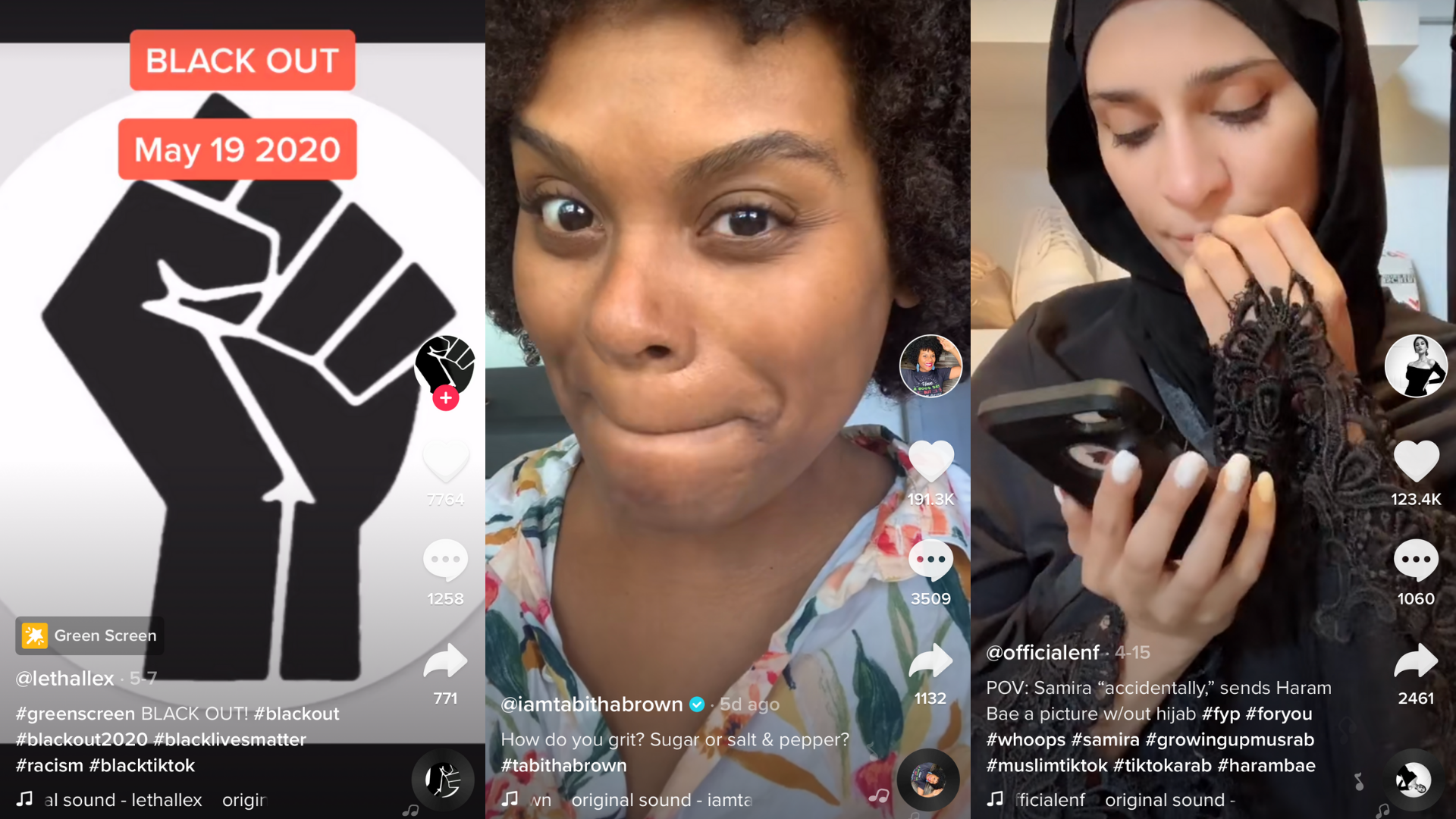
Lex Scott / Tabitha Brown / Faiza Rummuny
TikTok is a Chinese company that began as Musical.ly, a lip syncing app that you may vaguely recall seeing adverts for in 2018/19. It was a tech concept that might have proven popular due to the East’s obsession with karaoke and KTV, but found little traction in the West or the Global South. However, thanks to its few users that saw the potential of it being a contemporary version of the beloved and sorely missed comedy genius that was Vine, alongside a rebrand, TikTok now has a billion users and is one of the fastest growing tech companies in the world.
But what role does the low quality and awkwardly formatted app play in the Photoshop-driven influencer world of unboxing videos and product reviews? It’s fairly simple, TikTok is gaining traction thanks to its viral ability to cause movements and change the way we view contemporary issues.
The death of George Floyd has made your social media newsfeeds a flood of information and in some cases entire days of black squares, followed by global demonstrations and riots. However, TikTok had already begun mobilising weeks before Floyd was known to any of us. Floyd’s death seemed like the reason for the worldwide protest to remind people that Black lives matter, but it was simply the trigger after weeks of online protesting from TikTok users about the app’s disproportionate algorithmic favouring of non-black creators.
In early May, TikTok creator Lex Scott (and founder of Black Lives Matter Utah), created a viral challenge encouraging the use of the movement’s logo (a black fist) to be used in place of profile pictures for one day:
“Rules of our protest, 1. Change your profile pic to the black power fist (even if just for the day); 2. Unfollow one creator that is not supporting this movement; 3. Comment #ImBlack or #BlackVoicesHeard under every video you post/see; 4. Follow and support one new Black creator; 5. Only like Black creators’ content. Just for today.“
This demonstration took place a week before Floyd was killed. The current emphasis on re-education and actively adopting anti-racist behaviour was a result of a combination of factors, and this was somewhat led by the users of TikTok.
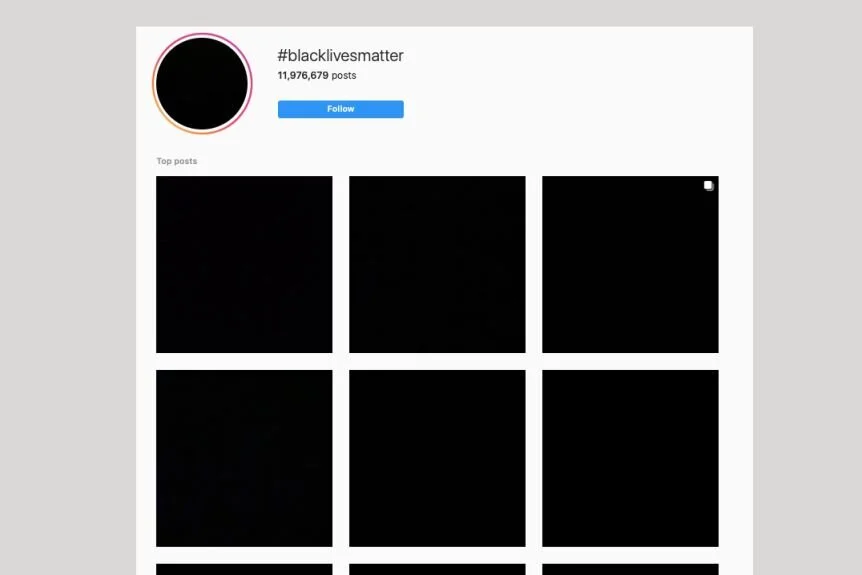
Black Square Tuesday
While other social media platforms like Facebook and Instagram are strongly influenced by the app’s preferences towards data collection and using that data to generate targeted information, TikTok places itself algorithmically to identify your specific interests based on your viewing habits. Instagram and Facebook also do this to a degree, but with an emphasis on driving content from the same sources. TikTok however will focus on repeating your content preference rather than its creators.
A TikTok user could have over a million views on one video, but unless they’re posting the same type of thematic content again, can have less than 10 views on videos following their initial viral success. This is where the concept of the democratisation of influencers comes from. While a standard online influencer begins as an existing celebrity, and others see their influence grow thanks to high quality aesthetics, pandering to visual allure and emphasised attractiveness, a TikTok influencer relies on one thing for fame; authenticity.
The relatability of a Tiktok influencer is what makes it so powerful. Information and resources are shared quicker, and an understanding of globally impactful issues is distributed widely and results in genuine change. The May 19th demonstration called for each user to actively change the way they use social media. It encouraged supporting Black creators and punishing those who did not take part by making them lose the currency of their following. Ultimately, while it takes the tragedy of killing a Black man to mobilise the casual internet user, on TikTok the conversation had already started, and this widespread resource and impact will likely be forgotten when recounting this moment in history.
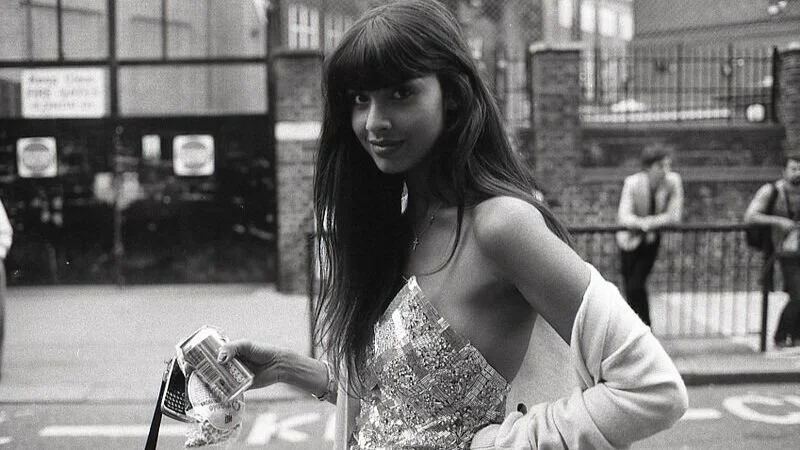
Jameela Jamil
So where do we go from here? TikTok is still challenging the status quo on movements. The Body Positivity movement is essential and still prominent on Instagram in particular, but is often driven by influencers who project a very unattainable standard of beauty. These influencers have body rolls and stretch marks and proudly reveal their cellulite, but in a way that’s approachable and attractive. They may have ‘real’ bodies, but they still are at an inauthentic stage of beauty that the average consumer doesn’t fit into. The world can tolerate body positivity when it comes from influencers like Jameela Jamil, Ashley Graham or Tess Holliday, but what about those who don’t have the time to spend hours on hair and make up, or the financial means to dress in plus size clothing that often come with a plus size price tag? Jameela Jamil can critique the Kardashians for profiting from weight loss supplements, but as her popularity grows she herself profits from the day-to-day struggle of the average woman who could never afford to look like her.
A body-positivity TikTok creator looks very different to this. The revealing aspect of the video-phone format means your skin isn’t blemish free and your body doesn’t have the chance to look good in every angle you present. Man boobs are prevalent, as are double chins, acne, fupas and chicken skin arms. There’s no studio styled modelling of £200 Fashion Nova outfits, instead there are ASOS hauls and bedroom fashion shows to see how they fit on specific body types. There are tricks to combat chub rub and videos made entirely of untoned bodies performing viral dance routines. It’s this authenticity that may actually cause a cultural shift in body acceptance and the normalisation of seeing people above a size 12.
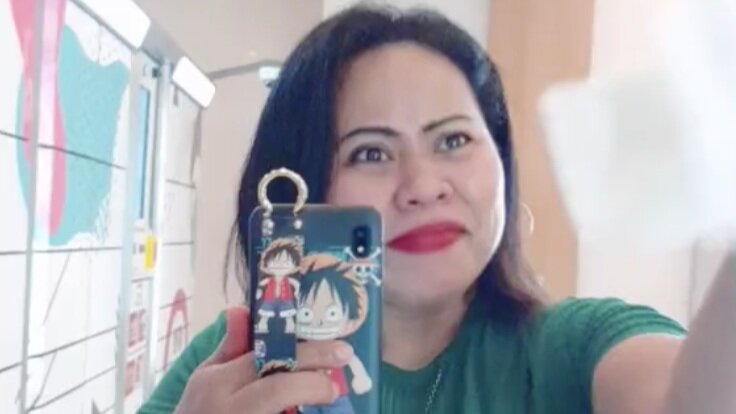
Krimzy
TikTok is also beginning to bring up the topic of classism. These influencers don’t just quit their jobs to go into sponsorship deals like their Instagram counterparts, instead they continue with their livelihoods as cleaners, construction workers and supermarket assistants because on one hand they need to survive, and on the other that’s where their watchable material comes from in the first place. Influencers like Krimzy, a Filipina housemaid who previously worked in the Middle East, shares tongue-in-cheek videos about the absurdity of the treatment of domestic workers in regions that actively encourage a class divide that’s comparable to modern day slavery. Her videos are funny, light hearted, and poke fun at the devastating and traumatising treatment of the working class and races of developing countries. But she doesn’t need an expensive camera, studio grade lighting or premiere pro to do it. She uses her phone, her wit, her deeply personal experiences, and a recently procured tripod to tell the story of millions of mistreated foreign domestic workers in an astute and moving medium.
It’s important to see these stories being performed by people who would never have a loud enough voice or enough acceptance via any other platform. The instant reaction to any new online phenomenon is to brush off and discourage its use, when in reality it should be (and is being) used as a tool for change. It’s a pertinent reminder that if you’re seeing a viral TikTok on another platform such as Facebook or Twitter, you’re probably one of the last people to see it, and what you’re seeing is likely to be one of the very surface level examples of what a movement has to offer.
Rather than instantly dismissing, it’s important to understand first. TikTok is a platform that changes lives, perspectives and actions. It’s time for you to no longer be afraid of change, and to choose your experience of the internet to be democratic.