
All You Knead to Know About Bread
Written by: Amina Malik
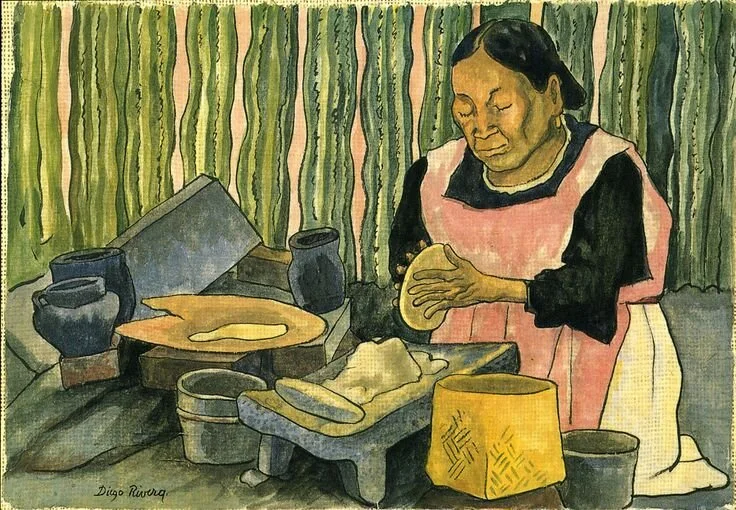
Artwork by Diego Rivera
Writing an article about bread is no small feat; but we couldn’t wheat any longer. This pandemic has brought with it the desire to turn to bread through need for sustenance, desire for catharsis, and general hope to dispense time in exchange for a good banana loaf.
Throughout history, bread, in any of its thousands of forms, has been a food we can all rely on. It’s fun to reflect on the perception of bread from a thousand different lenses; bread as protest, bread as art, bread as holy, bread as teamwork, bread as sustenance, bread as survival, bread as history, bread as performance, bread as celebration, bread as mourning, bread as currency, bread as tradition, bread as gratitude, bread as metaphor, bread as ritual. The list is endless.
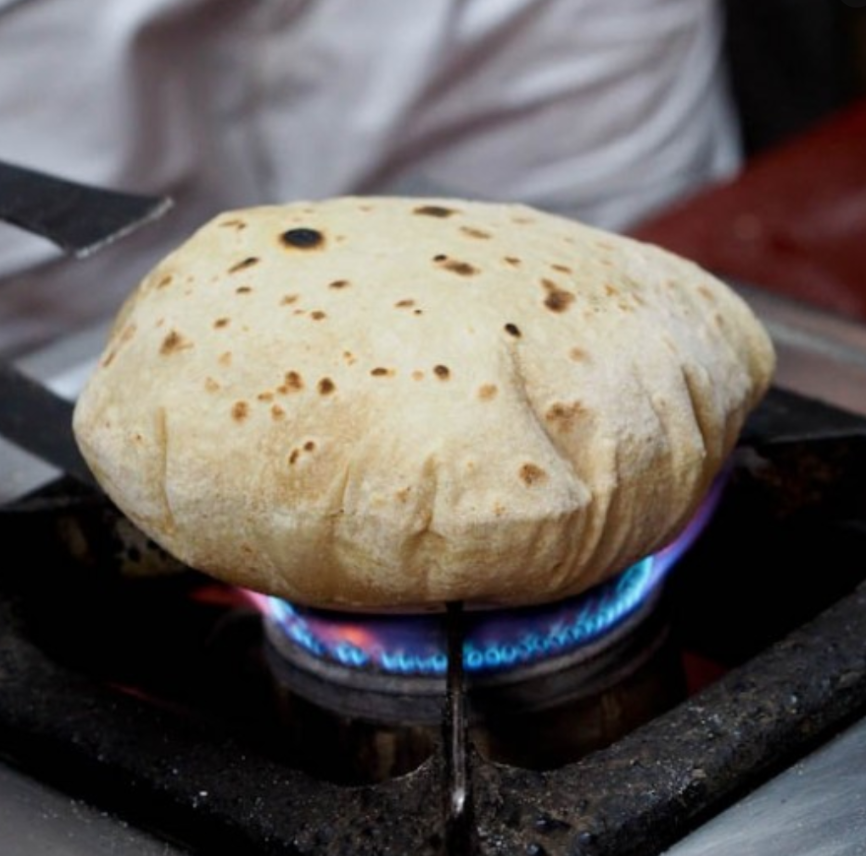
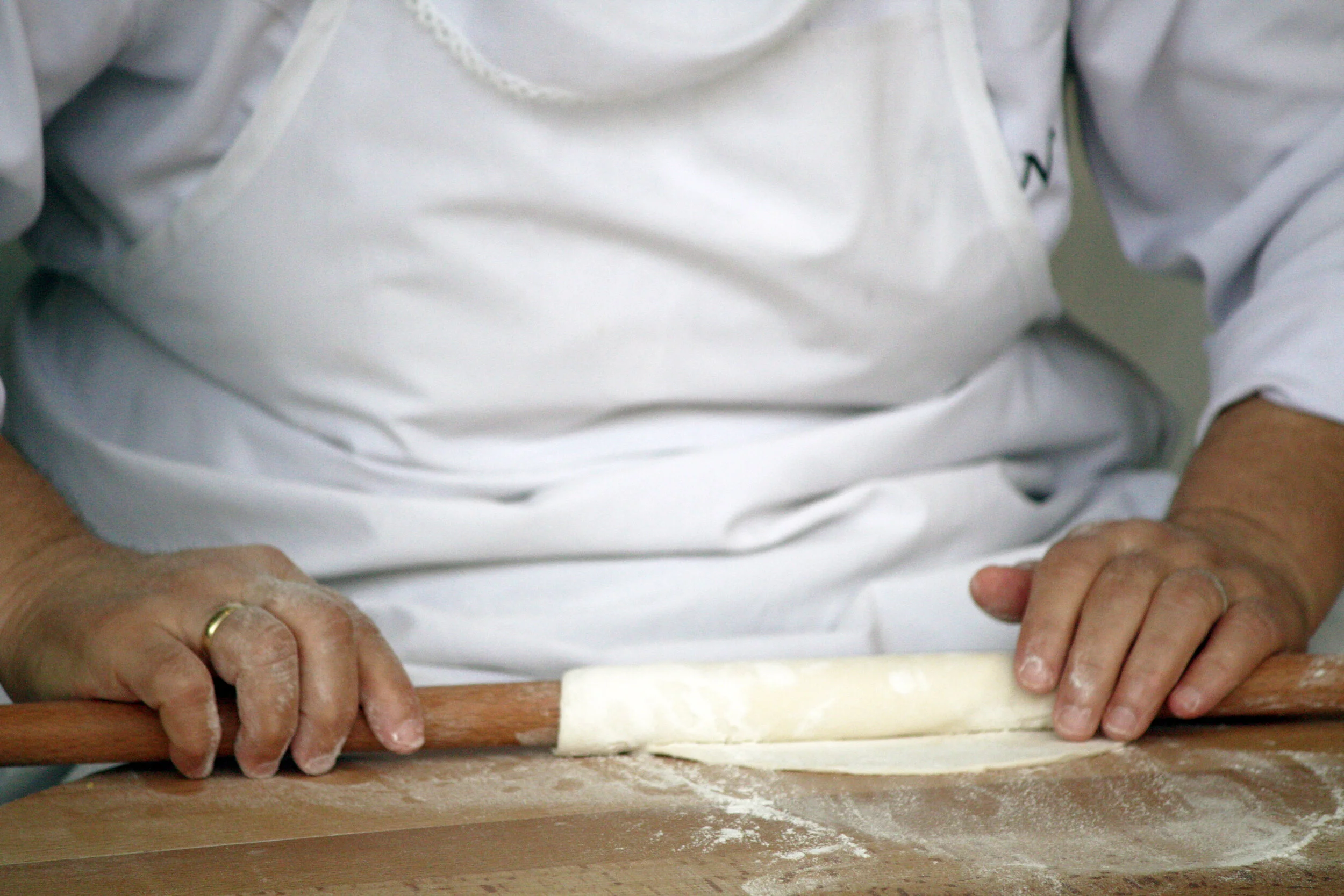
For me growing up, bread was an integral part of our household and my mum was my first connection to it. Watching mum remove her rings to place them on the countertop and proceed to knead a large red bowl filled with chapati flour, water, salt to feed a family of 7. As I grew older, I was fascinated by her process. I’d stand and watch the movement, the flow, the dance, the flour dust particles that stay still mid-air in the sunlight. I’d love the sounds, the slapping, the rolling, the flipping. And the smell! The deep, humble scent of a roti directly on the fire, the softly toasted flour, watching it puff up with hot air. Mum always made her roti with intention for who would eat it. She’d tell us who’s roti she was making next, and if that roti puffed up on the heat the most, she’d say that was the roti’s way of telling her that person was hungry. I loved that the roti knew me so well.
Another thing that fascinates me is how different languages and dialects speak of bread. In some arabic dialects, bread is called ‘Aish’ (عيش), which means life, or a source of life, to live. This shows the significance of bread as a form of livelihood, as sustenance.
Time and time a grain
I think it’s safe to say that we have always followed some sort of similar process for making bread throughout history. Flour, water, salt, knead. Okay, yeast and oil too but maybe not 14,000 years ago when this yummy number was baked (and later found at an archaeological site) in Shubayqa, Jordan, now thought to be the oldest found piece of bread.
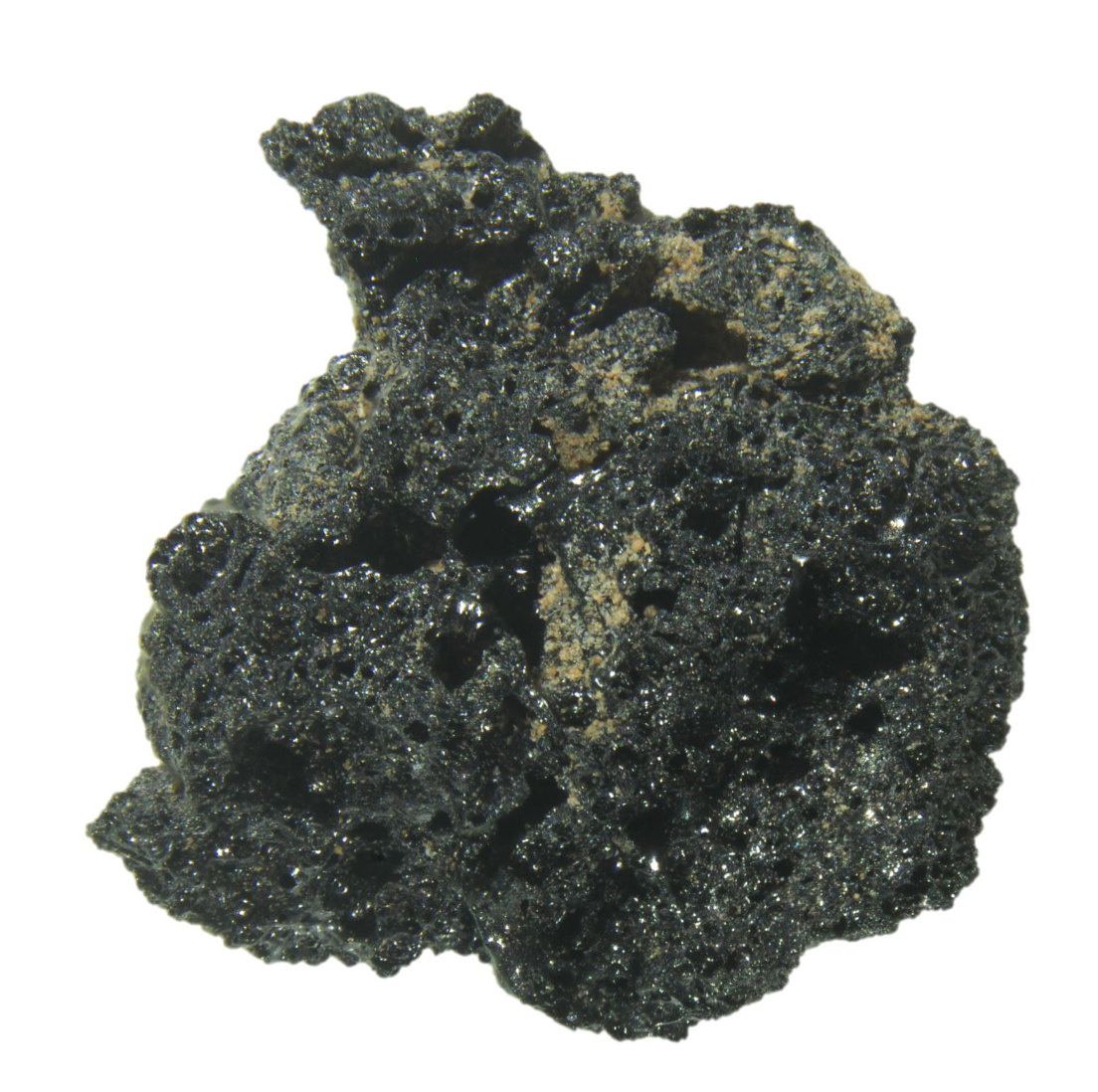
(I don’t know, would you still eat that??)
Now, that rustic number pictured above was supposedly made up of a wild wheat corn called ‘einkorn’ and with the roots of club-rush tubers which is an ancient type of flowering plant. This combination allowed the dough to be elastic which would then be baked on the walls of a fireplace pit similar to some present day practices, e.g making Naan in a tandoor.
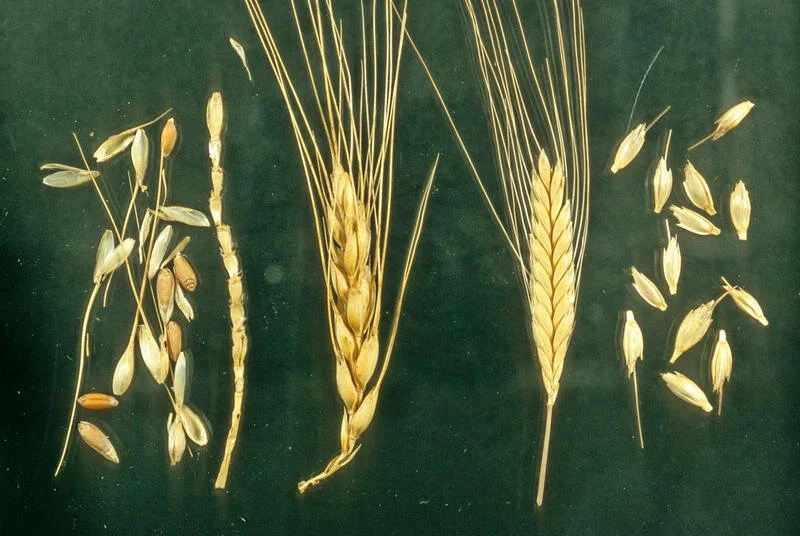
Photo by Flickr User, Mark Nesbitt
Now we’re going to flash forward to around 33 A.D; the scene of the Last Supper. It’s speculated that amongst the other foods on the menu, unleavened bread was served on the table too. (Unleavened bread is simply bread with no yeast or other raising agents.)
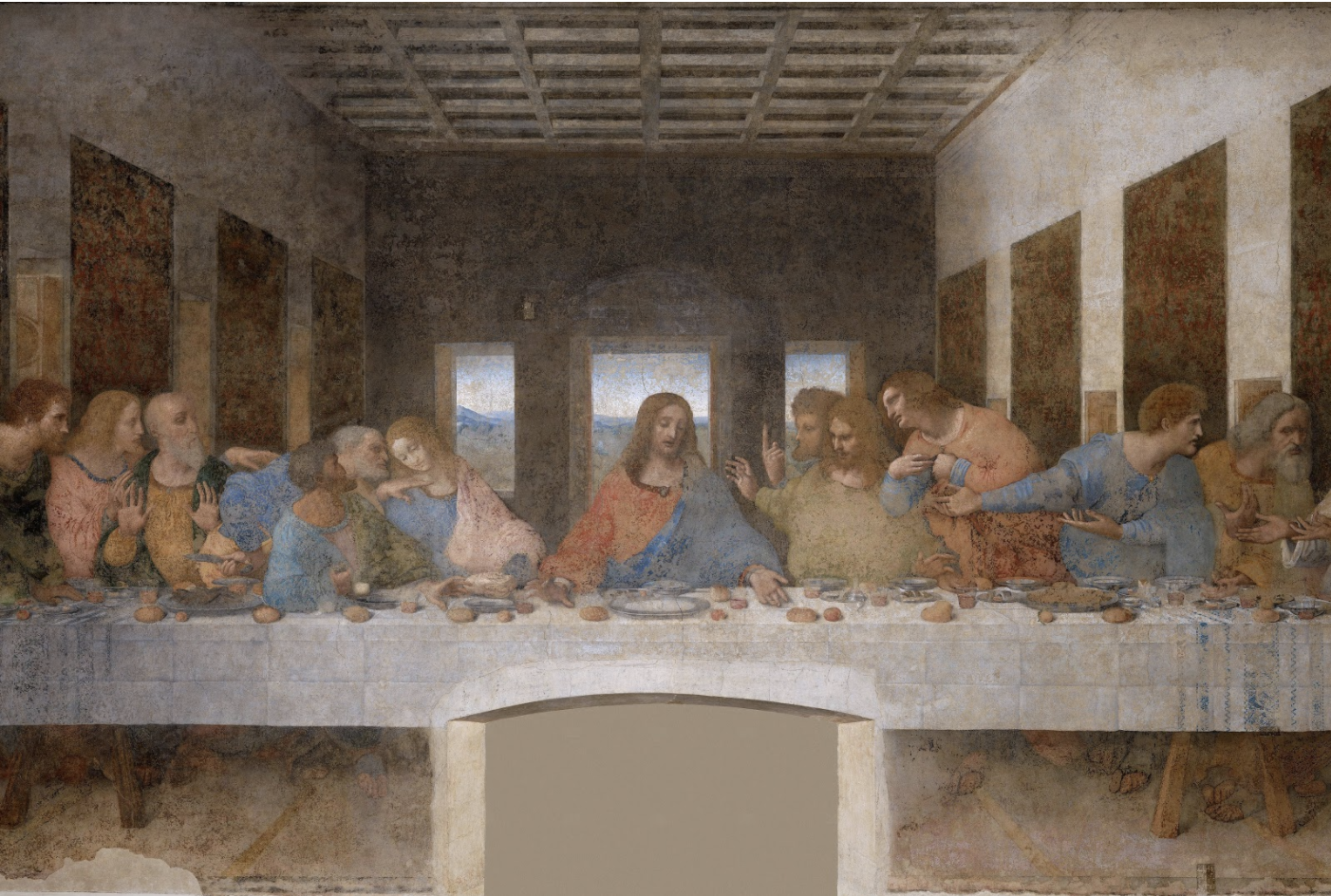
Since then, bread has been held in great esteem within Christian beliefs. In prayer, it’s “Give us this day our daily bread”, and another expression which has biblical origins “Let’s break bread together.” Some of us will remember this famous verse from the Bible:
While they were eating, Jesus took bread, and when he had given thanks, he broke it and gave it to his disciples, saying, “Take it; this is my body.”
Mark 14:22-26 New International Version (NIV)
Bread in this scenario is symbolic of an offering of oneself, a supreme gift to humanity, a selfless sharing of self, and a reminder of sacrifice. If the saying ‘we are what we eat’ has any truth therein, then through consuming this spiritually symbolic bread, we are brought to our own divinity.
Now, a recipe by Ezechiel, one of the prophets of the Old Testament from around the 6th century BCE who shares this top tip:
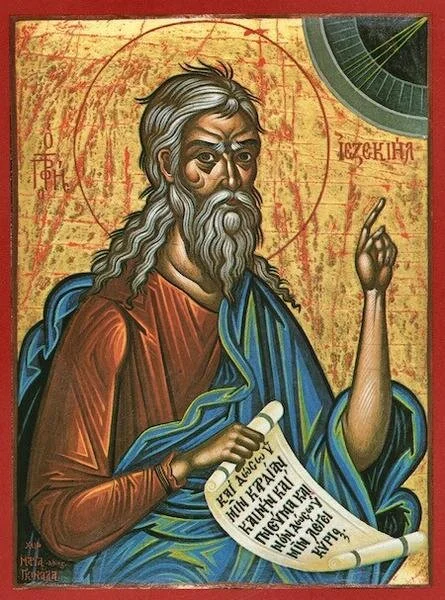
“Take wheat and barley,
beans and lentils,
millet and spelt.
Put them in a storage jar
and use them to make bread for yourself.”
(Ezechiel, 4-9).
Time to flash forward again to sometime between 580-630; the time of the Prophet Muhammad ﷺ. It is believed that the Prophet ﷺ abstained from eating any refined foods, namely refined bread. In Sahih Al-Bukhari, Book 65, Hadith 324, it is narrated by Abu Hazim:
He asked Sahl, "Did you use white flour during the lifetime of the Prophet?" Sahl replied, "No”.
It has been suggested that the Prophet ﷺ had a preference for unrefined bread, in particular bread made from barley.
"How could you eat barley unsifted?" he said, "We used to grind it and then blow off its husk, and after the husk flew away, we used to prepare the dough (bake) and eat it."
Sahih Al-Bukhari, Book 65, Hadith 324
Barley is a super nutritious grain which lowers high cholesterol and can help aid the prevention of cardiovascular disease. It is also known to reduce blood sugar levels, and helps balance gut bacteria.
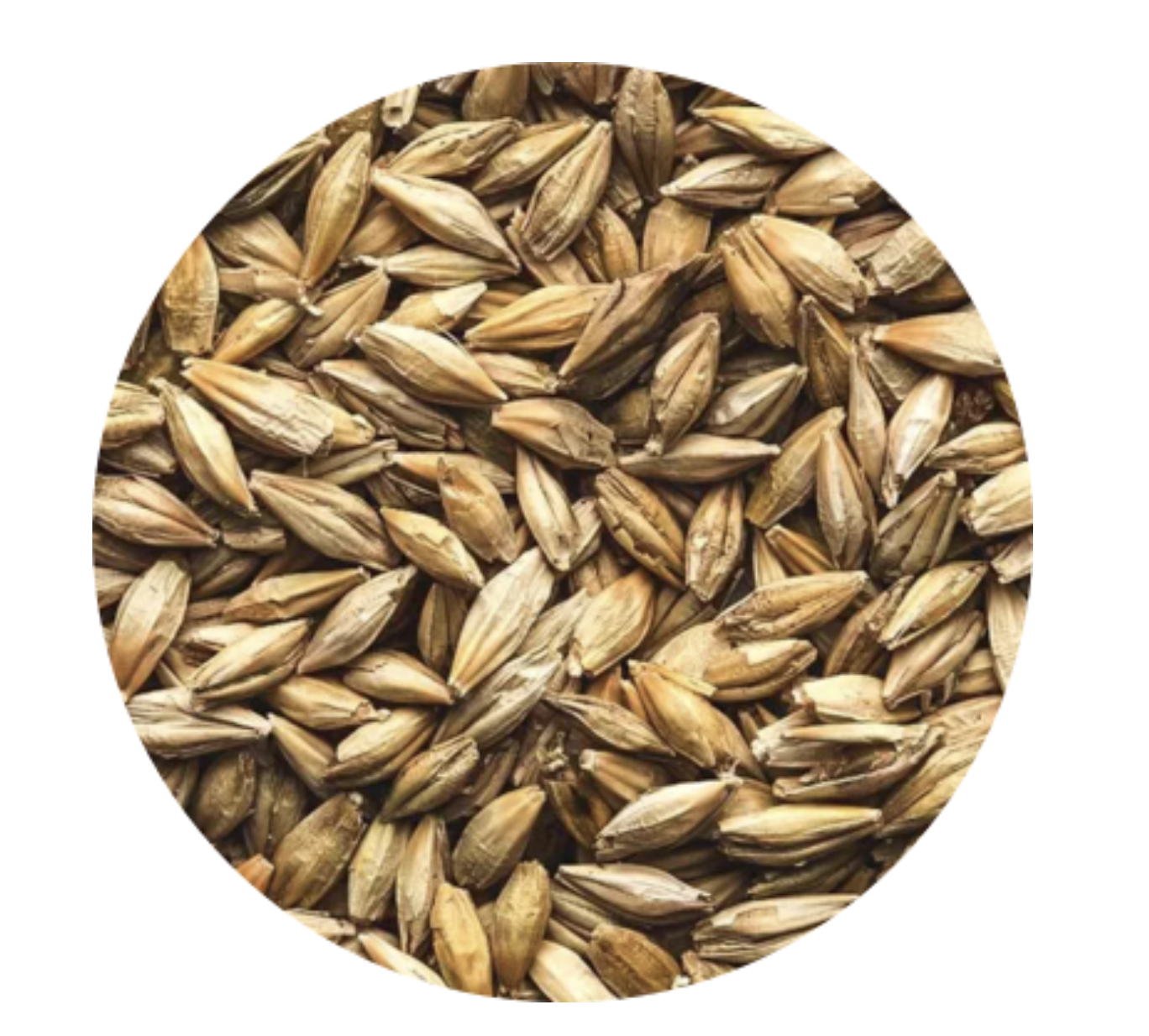
The Prophet Muhammad ﷺ strived to eat foods that are naturally high in energy and which have now proven to have healing qualities. His eating patterns have continued to inspire great learning around the medicinal properties of foods. One related example is how barley was recommended as treatment for hot intemperament diseases. Barley was soaked in water and consumed to soothe sore throats and coughs. The Prophet ﷺ would give soup made from barley (talbinah) to anyone suffering from the pain of a fever.
I don’t have a recipe for this miracle soup, but here’s a recipe for barley bread!
The good, the bread, the ugly
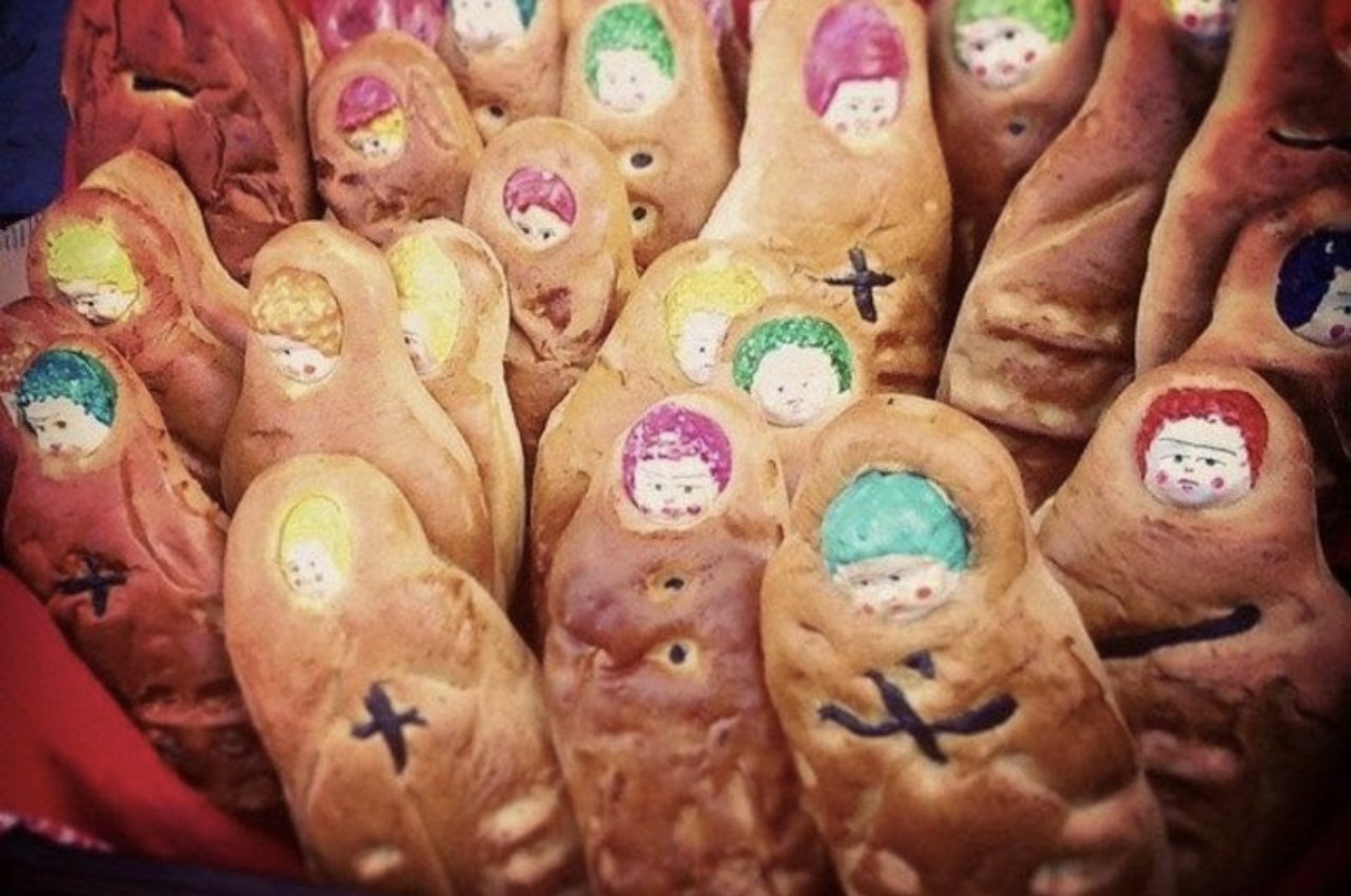
T’anta Wawa
T’anta Wawa is usually baked in South America on All Soul’s Day to celebrate life and death by creating these incredible baby breads. They commonly contain a sweet filling, such as candied fruit, anise, cinnamon. These breads were originally used as an offering to children who had passed on.
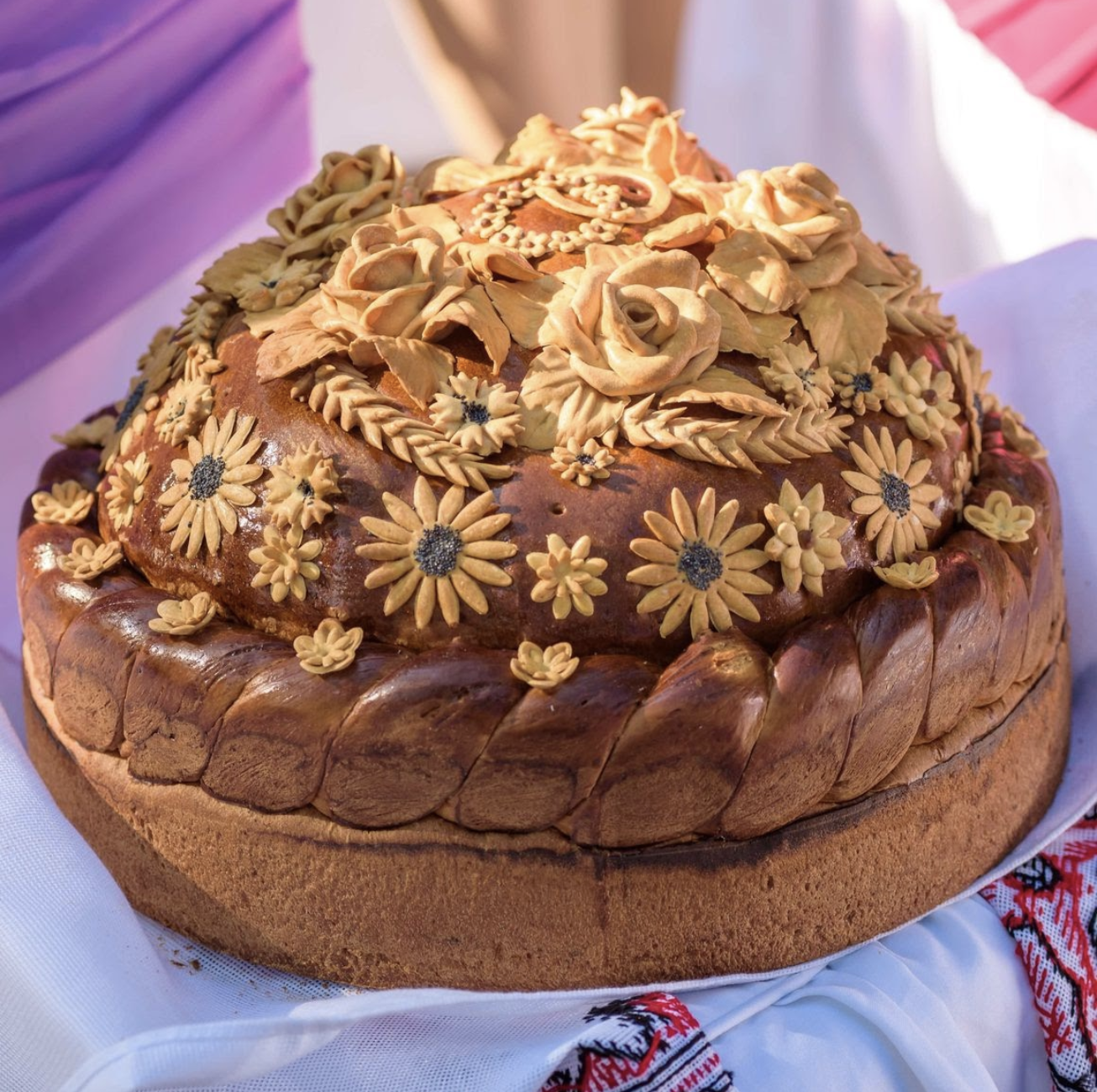
Korovai
Korovai bread is a fun and symbolic celebratory bread baked in Ukraine in the run up to a wedding. It’s adorned with many symbolic shapes, such as roses, ears of wheat, and more. It takes a big group of people to make the bread, usually they gather in the days leading to the wedding to knead and bake the bread which serves as a symbol of the community's blessing of the wedding. The bread is connected to many superstitions; e.g. if the bread cracks whilst baking, it is considered a sign that the marriage it is being offered towards, will fail.
Piki bread
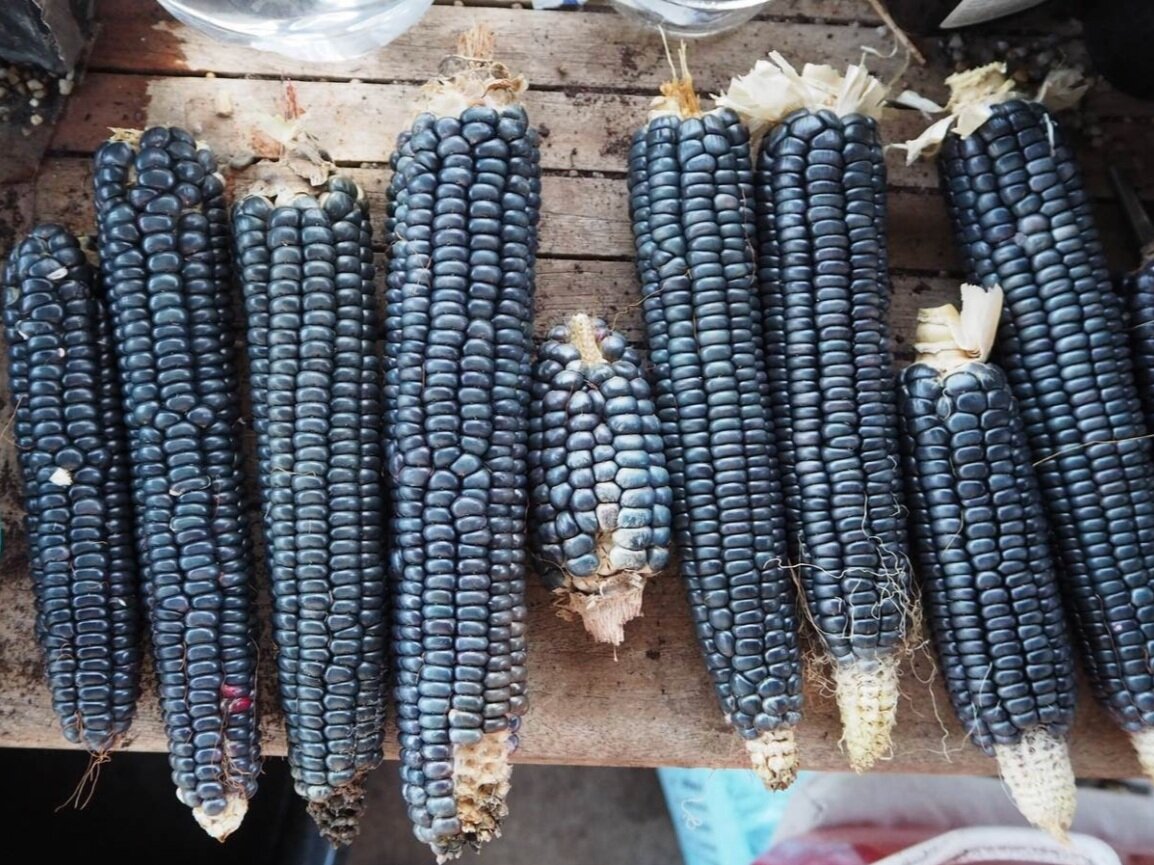
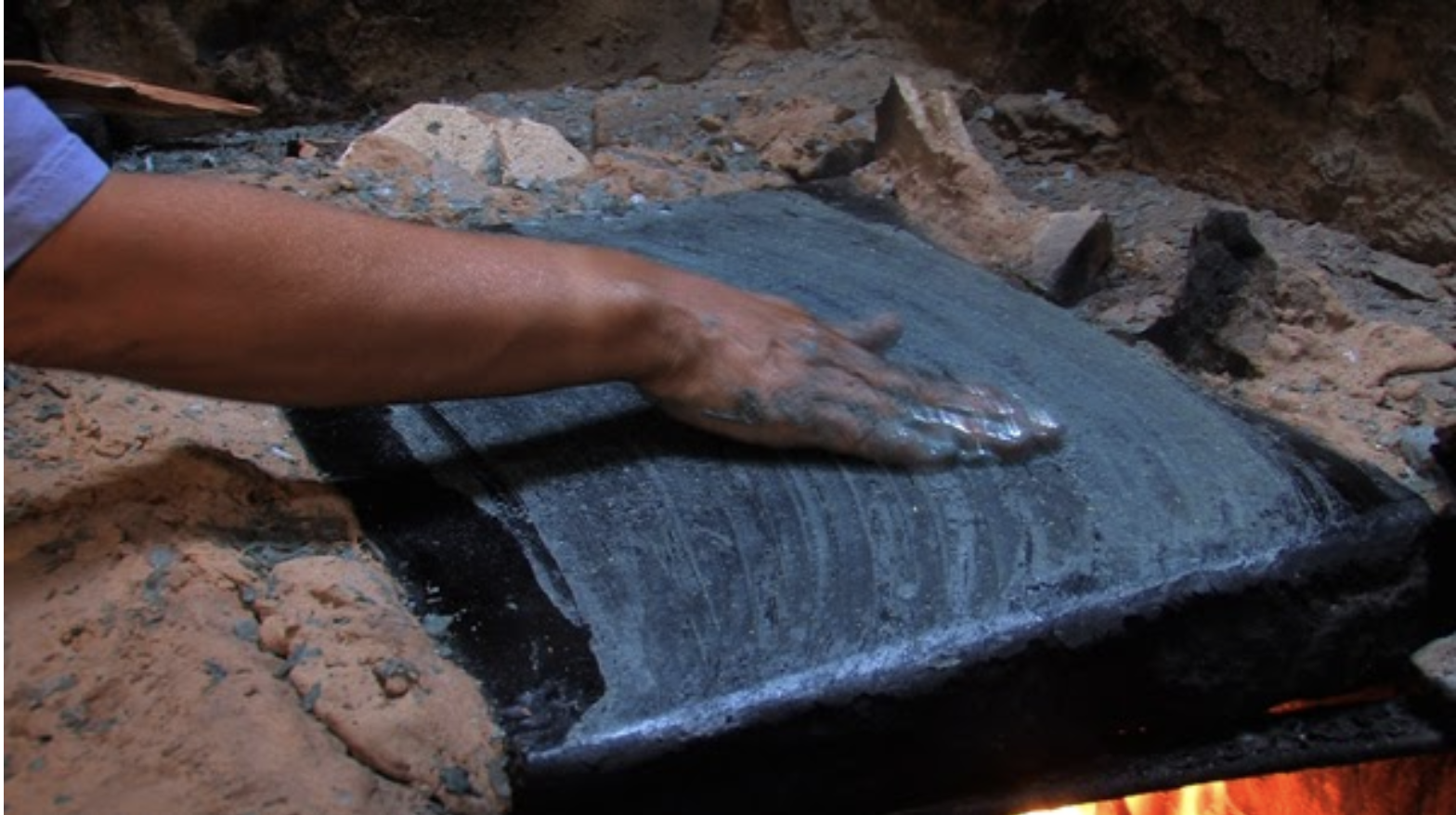
Piki bread originates in Arizona, and is especially significant in the culture of Arizona’s Native American Hopi and Navajo tribes. It’s made using carefully ground (and sacred) blue corn with water and juniper ashes. The dough is then cooked on a flat, hot cooking stone which produces this thin, flaky and fragile bread which tastes earthy and smokey.
The Hopi used blue corn as a spiritual offering to the higher spirits. It is thought that Masaw, a Hopi mythological personality, offered a small ear of blue corn to a group of Hopi people saying
“Here is my life and my spirit. This is what I have to give you.”
Injera
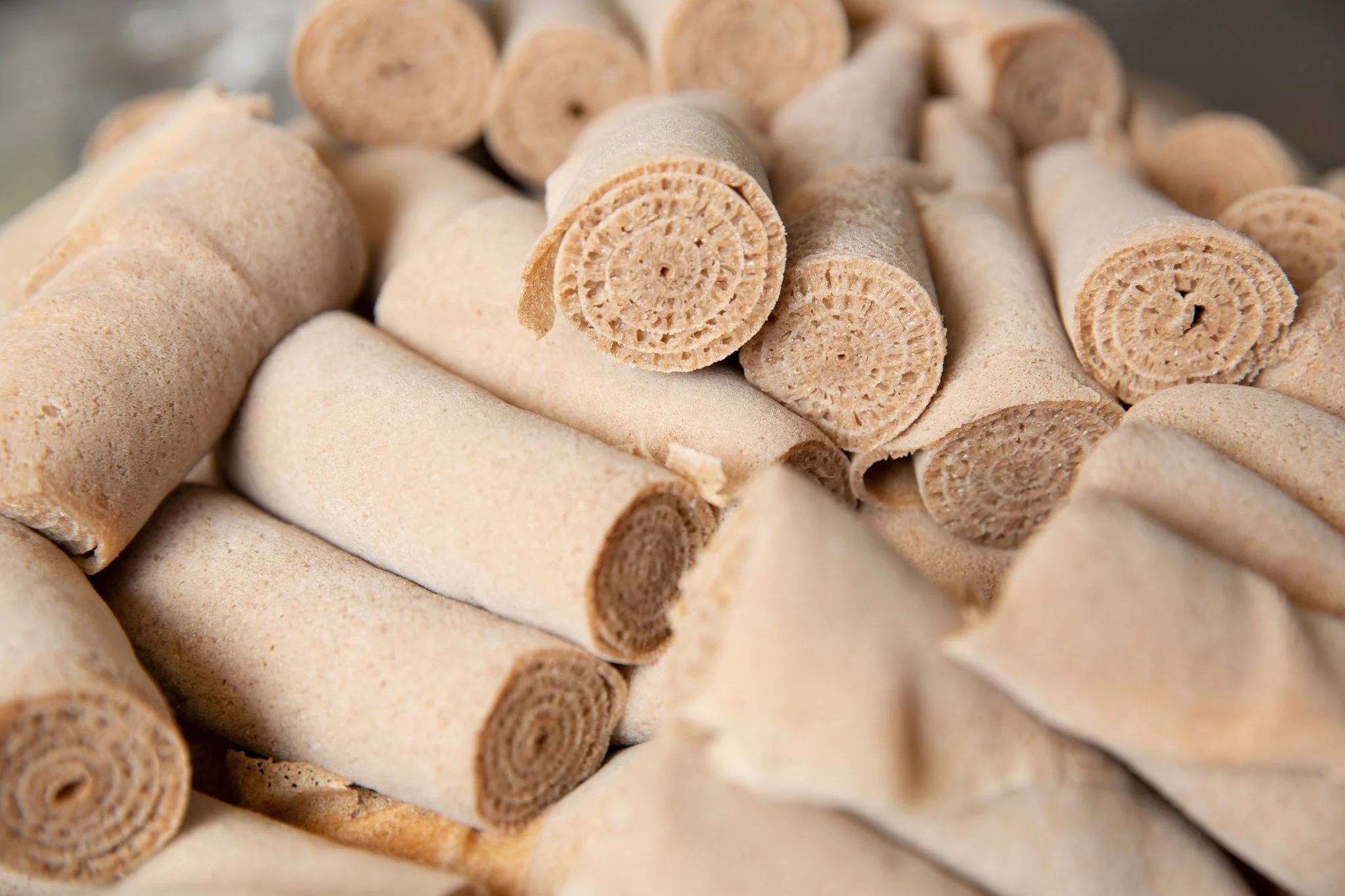
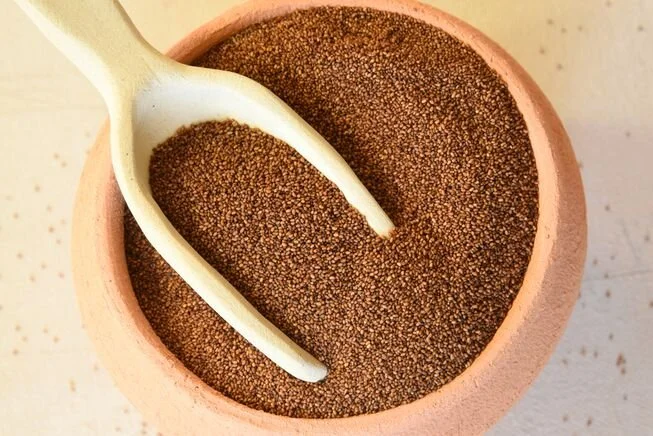
Injera is a naturally gluten-free, fermented flatbread with a silky, spongy texture. Each flatbread can be found with hundreds (if not thousands) of holes in them, which come from the carbon dioxide produced by the wild yeast used as leavener. Injera is made using the flour of the teff grain; a nutritious ancient grain grown in Ethiopia, its name is derived from the amharic word teffa which means “lost”- a playful indication of the grain’s super tiny size.
Teff is high in dietary fibre, calcium, protein, iron, and potassium. It’s one of Ethiopia’s most important crops, and a daily food staple for about 50 million people - which is around 60% of the country’s population. In 2006, the Ethiopian government had banned exporting the teff grain, out of fear it would become inaccessible for Ethiopians who rely on the grain as a staple.
This section is potentially never-ending, and I've got to draw the line somewhere, so I'm drawing it here. Last section right abread!
Why did the baker go to work? He kneads the dough
Kneadless to say, for many, the first natural instinct was to get flour as this crisis began to emerge from the pits of hell, and it’s ever-connected to our innate desire to keep connected to this staple, and perhaps to something bigger than us.
Through all this, my heart is heavy for all the bread-makers, sellers, and other street food vendors globally, whose trade is affected by this pandemic. We wish for their safety, their security, and sustenance. Below is a photo of two friends I made in Istanbul who sold me freshly baked Simit each day during my stay in 2015.
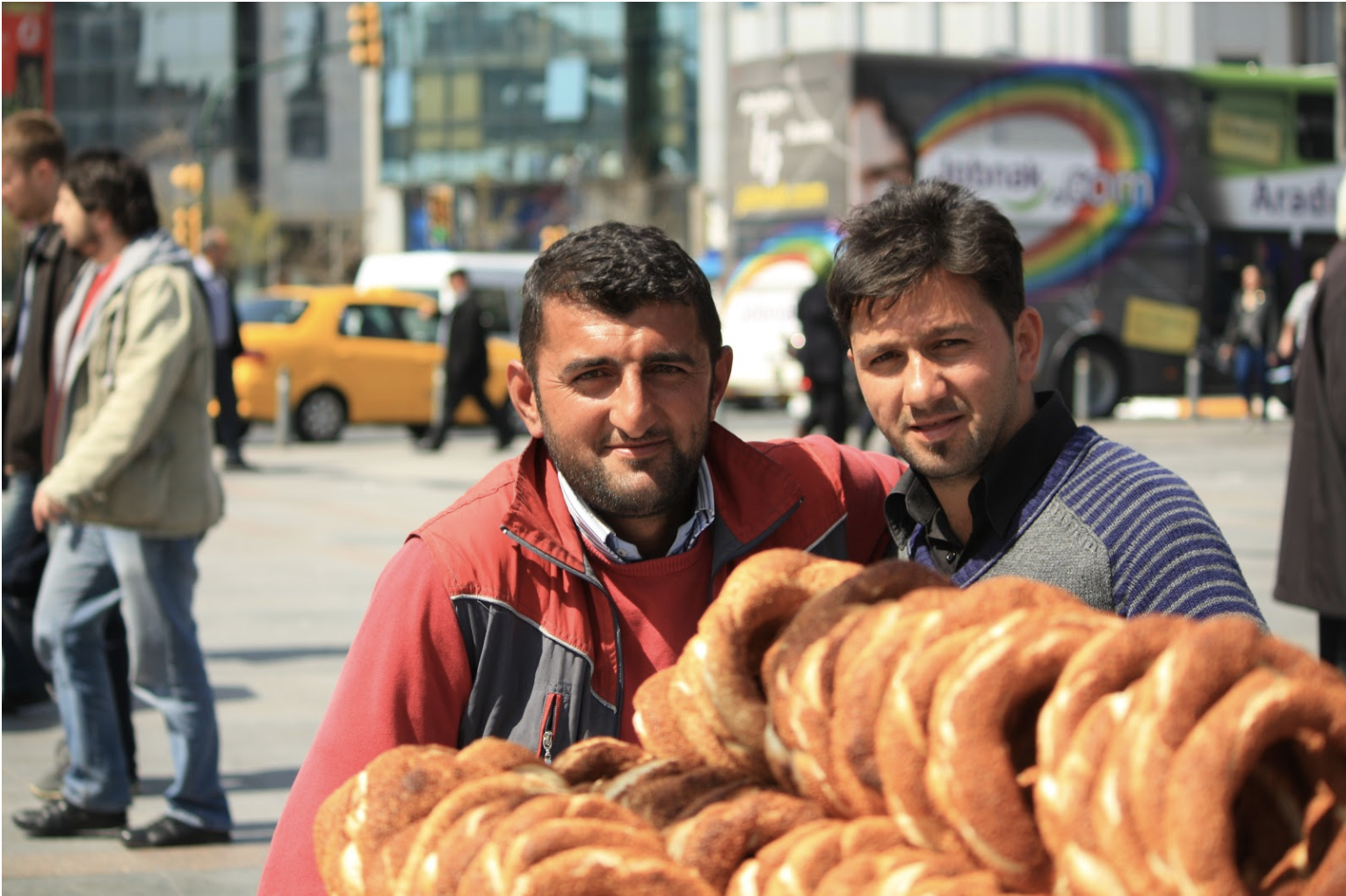
Whether it’s to find solace in the process of baking, or to affordably sustain oneself, or to make bread to sell; bread making is a practice which is intertwined in all of our respective identities and histories in some way or another. For me, making bread the way my mother did connects me to my greater self, it nourishes the parts of me that want to remain close to my family’s history and cultural story. So whether you’re doing so for yourself, or to share with your family or your community, quit loafing around and bake some bread!